
Describe the property
Send the location, symptoms, equipment and access details. State whether the work is a repair, replacement or planned project.
Need plumbing help in Petrolia? Tell us about the leak, blocked drain, fixture or water heater. A responding provider will confirm coverage and availability before booking.
Get A Free QuoteCompare tank and tankless options using the current vent route, available clearances, household demand, and any deep-tub use. These details help define equipment capacity and installation changes.
View scopeIdentify affected fixtures and whether blockages recur. Pipe condition can determine whether cable clearing, suitable hydro-jetting, or camera inspection is appropriate before repair decisions.
View scopeCompare PEX and copper routes, wall access, and pressure-testing plans. Photograph visible piping and finishes to clarify the scope for replacing all or part of a supply system.
View scopeCheck fixture dimensions, shutoffs, floor level, and existing connections. Period-style trim, modern valves, or an uneven floor can change the parts and installation steps required.
View scopeDocument stains and affected fixtures before assessing a suspected leak. Acoustic location, pressure isolation, and long service-line testing can help guide access and repair scope.
View scopeRecord where water collects and photograph the basin and discharge route. Compare pump capacity, backup options, routing, and any backwater-valve requirements for the layout.
View scopeUse water test results to compare softening, iron or sediment treatment, and reverse osmosis. Household demand and mechanical-room space also affect equipment selection.
View scopeWater treatment equipment should follow test results from the supply serving the home, rather than assumptions based on a town or address. For a project in Petrolia, identify whether the property uses municipal water or a private well and arrange suitable testing for the concerns you want to investigate. Hardness results can inform softener sizing; if testing identifies iron or sediment, treatment may need additional stages. Compare regeneration needs, household demand, and available mechanical-room space. Reverse osmosis is a separate option to assess for a drinking-water tap.
Compare tank and tankless options using the current vent route, available clearances, household demand, and any deep-tub use. These details help define equipment capacity and installation changes. Identify affected fixtures and whether blockages recur. Pipe condition can determine whether cable clearing, suitable hydro-jetting, or camera inspection is appropriate before repair decisions. Compare PEX and copper routes, wall access, and pressure-testing plans. Photograph visible piping and finishes to clarify the scope for replacing all or part of a supply system.
Check fixture dimensions, shutoffs, floor level, and existing connections. Period-style trim, modern valves, or an uneven floor can change the parts and installation steps required. Document stains and affected fixtures before assessing a suspected leak. Acoustic location, pressure isolation, and long service-line testing can help guide access and repair scope.
Record where water collects and photograph the basin and discharge route. Compare pump capacity, backup options, routing, and any backwater-valve requirements for the layout. Use water test results to compare softening, iron or sediment treatment, and reverse osmosis. Household demand and mechanical-room space also affect equipment selection.
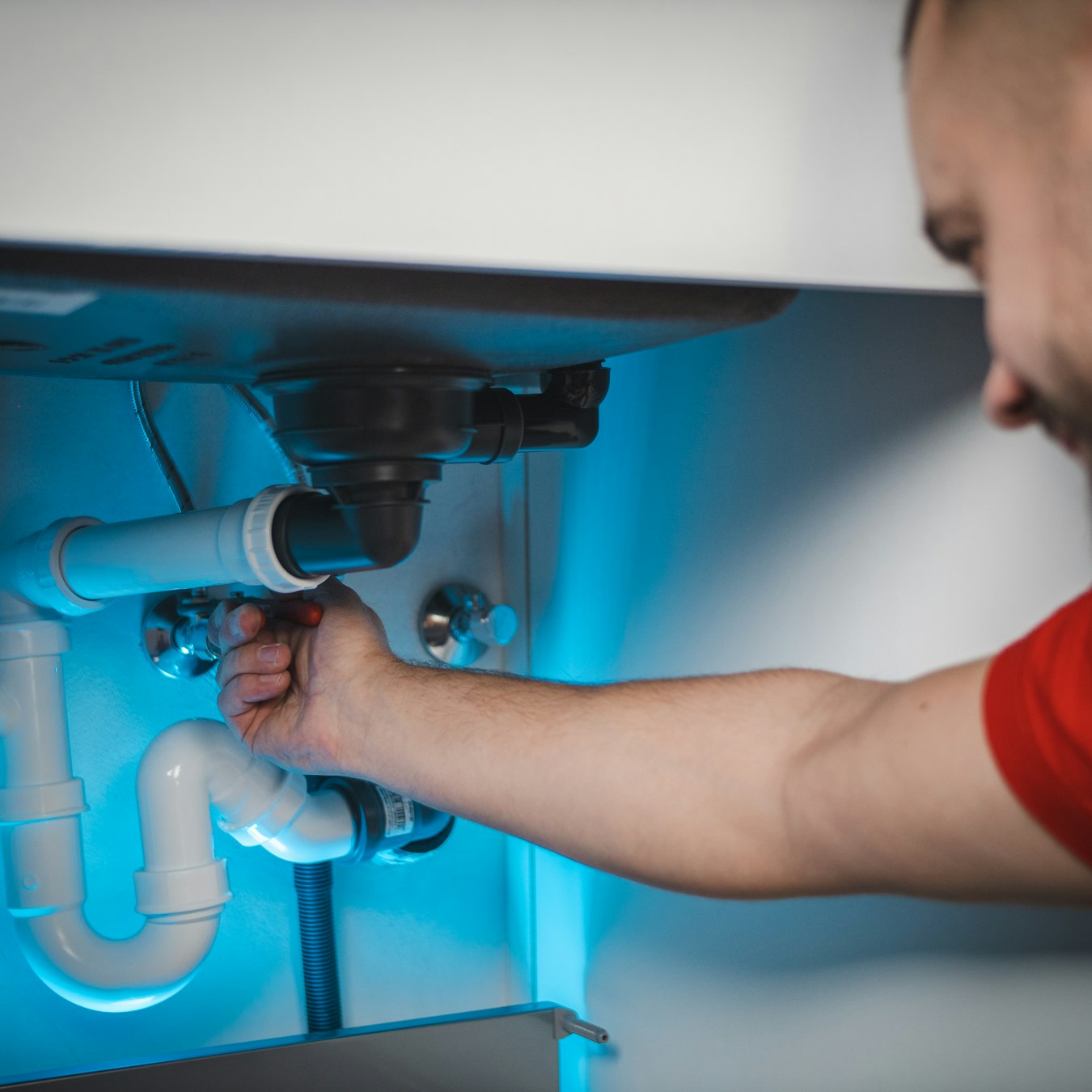
A recurring blockage needs more than a quick clearing if the pipe’s condition or cause is uncertain. For a drain-cleaning project in Petrolia, note which fixtures are affected, whether the problem returns, and how long it takes to recur. If a camera inspection is proposed, ask whether the line’s material and condition are suitable for the chosen cleaning method. Cable equipment can clear many branch lines; hydro-jetting may suit some mains, but pressure and tools should reflect the pipe’s condition. Footage can guide repair decisions.
Explore this serviceSend the location, symptoms, equipment and access details. State whether the work is a repair, replacement or planned project.
The request is reviewed so the responding provider can clarify the work, property access and service coverage.
Agree the provider identity, qualifications, written scope, pricing and visit window directly. Sending a form does not confirm an appointment.
If the property uses a well, ask whether testing should include iron and sediment as well as hardness. Results may support staged pretreatment before a softener, but the needed equipment depends on measured conditions. Compare the proposed treatment sequence and maintenance requirements so you understand how each stage protects downstream equipment and addresses the specific test findings.
Map damp areas and note where water gathers during or after wet weather. If a basement has a stone foundation, ask how the basin location and size will relate to the observed collection pattern. These site details can affect where a pump can be placed and what capacity is appropriate; a generic pump selection may not reflect the actual water entry.
If a kitchen sink or stack drains slowly, note whether other fixtures are affected and whether the problem follows heavy use. Grease and accumulated debris may call for mechanical clearing rather than chemical products. Ask which section of the line will be cleaned and whether a shared drain or septic connection changes the work or follow-up guidance.
Ask for proposed access locations to be marked or described before work begins. Plaster and lath, trim, and concealed obstacles may affect how a route can be reached and repaired. A planned opening strategy helps you compare the expected disruption and identify which wall finishes or original details need particular care.
Photograph the current heater, its connections, nearby walls, ceiling, and vent termination. Compare the proposed unit’s clearances and venting requirements with the room and existing route. Low ceilings, a chimney connection, or limited access may affect placement and installation steps, so confirm these details before choosing a replacement.
Use the form to describe the property, the symptoms and the work requested. For Oil Springs, Wyoming, Forest, Sarnia, include your postal code so local coverage can be checked.
Select a listed location for guidance or use the inquiry form. Provide the property location, equipment and access details so the provider can review the request.